A few local conditions explain a lot of the plumbing problems Boulder homeowners run into. Knowing them helps you decide what is worth fixing now and what can wait.
Boulder's city water is soft
The City of Boulder reports average hardness of about 42 mg/L, roughly 2.4 grains per gallon. That is soft water, so the heavy scale that ruins water heaters and fixtures in hard-water cities is less of a problem here. Most homes on city water do not need a softener. Water heater life here depends more on the anode rod and on sediment from the supply.
Expansive clay soil moves buried pipe
The Colorado Geological Survey identifies swelling clay soils under much of the Front Range, Boulder included. Clay that swells when wet and shrinks when dry stresses buried pipe, especially older clay and cast iron sewer lines with joints every few feet. Offset joints catch paper and let roots in. That is why we recommend a camera inspection before buying a home and when backups keep coming back.
Altitude changes how gas water heaters run
Boulder sits above 5,000 feet. Thinner air means less oxygen for combustion, so gas water heaters and boilers have to be rated or set up for high altitude by the manufacturer. A unit that is not set up correctly can produce soot, roll flame out of the burner or shut down on its safety sensor. We check the altitude rating when we install or replace a gas water heater.
Cold snaps freeze pipes in outside walls
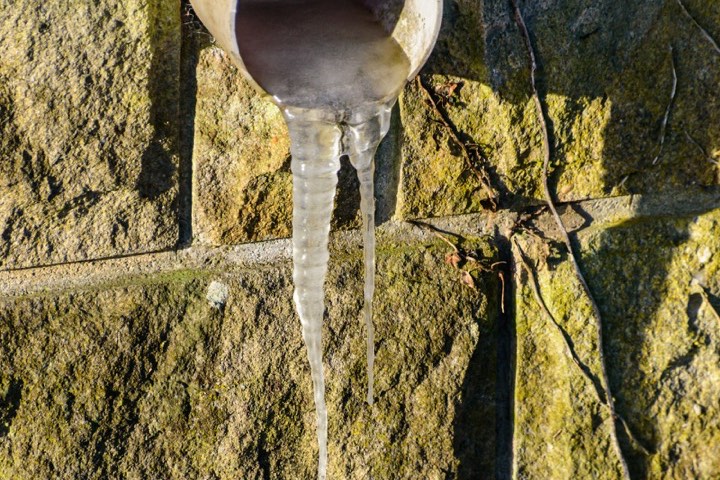
Boulder winters swing from mild afternoons to hard freezes, sometimes in the same week. Pipes in exterior walls, crawl spaces, garages and cantilevered floors freeze first. Frost-free hose bibs split inside the wall when a hose is left connected. The leak often does not show until the line thaws. Disconnect hoses in fall and keep cabinet doors open on outside walls during deep cold.
Pre-1955 homes can still have galvanized pipe
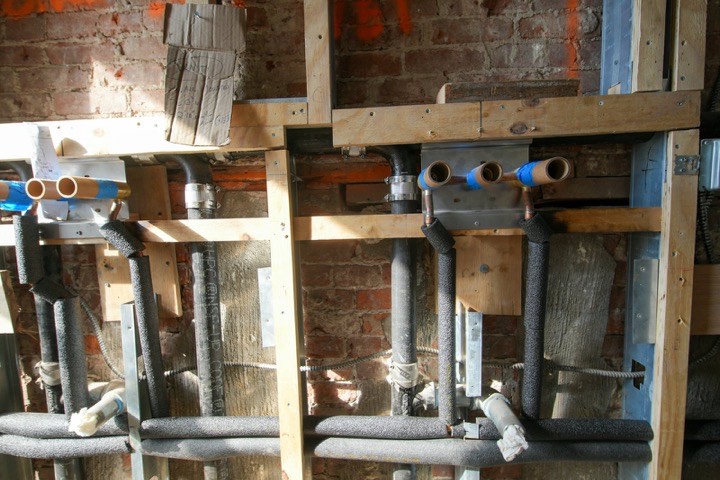
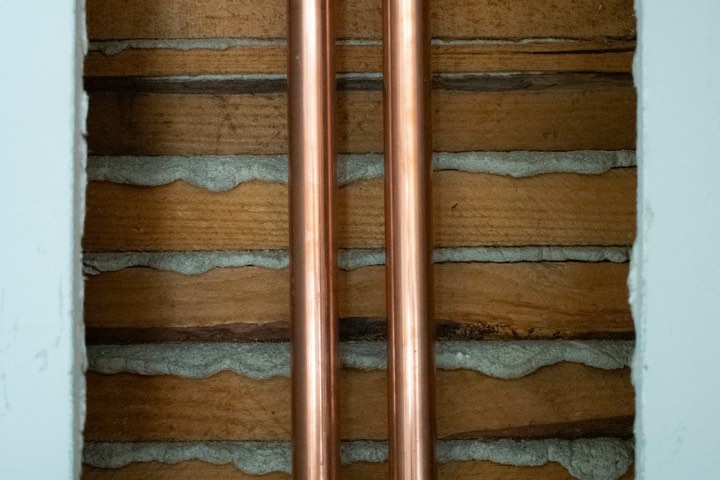
According to the City of Boulder, copper water pipe has been required in Boulder since 1955, and the city's service line inventory found no lead service lines. Homes built before then, common in Mapleton Hill and other central neighborhoods, can still have galvanized steel supply pipe. Galvanized pipe rusts from the inside, which lowers water pressure and causes pinhole leaks. When it fails in several places, repiping the house is the lasting fix.
You own the sewer line to the main
In Boulder, the property owner is responsible for the sanitary sewer service line up to and including its connection to the city main. When roots or a broken section in that line cause a backup, the city does not fix it. A plumber does. Knowing this up front saves a wasted call. Homes with low basement fixtures can add a backwater valve to keep city-side backups out.