
Emergency plumbing · Boulder, CO
24/7 Emergency Plumber in Boulder, CO
If water is pouring into your home or sewage is coming up a drain, close the main water valve and call B&D Plumbing at (720) 571-0891. We answer emergency calls 24 hours a day, 7 days a week, and send a licensed plumber to stop the damage and fix the cause.
What to Do in the First 10 Minutes of a Plumbing Emergency
Stop the water first, then protect the house, then call. Every minute water runs, it soaks further into subfloor, drywall and insulation.
- Close the main water shutoff. In most Boulder homes it is in the basement or crawl space where the water line comes through the foundation wall, often near the water heater or meter. Turn a round handle clockwise; turn a lever a quarter turn so it sits across the pipe.
- Kill power to anything wet. If water is near outlets, a furnace or the electrical panel and you can reach the breaker without standing in water, turn that circuit off. If you cannot, stay out of the area.
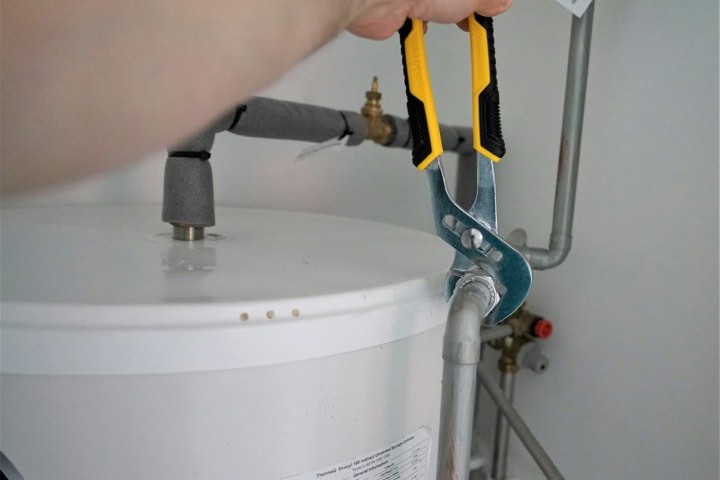
- Shut down the water heater if it is the source. Turn off the breaker for an electric unit. Turn the gas control on a gas unit to "Pilot" or "Off." Close the cold water valve on top of the tank.
- Open a faucet at the lowest point. This drains pressure out of the pipes and slows a leak that continues after the main is closed.
- Stop using drains during a backup. No flushing, no washer, no dishwasher. Every gallon you send down comes back up at the lowest drain.
- Take photos of the damage before cleanup if you plan to file an insurance claim.
Which Plumbing Problems Are Emergencies?
A plumbing problem is an emergency when it is causing water damage right now, creates a health risk, or leaves the home without water or sewer service. These call for a plumber right away, any hour:
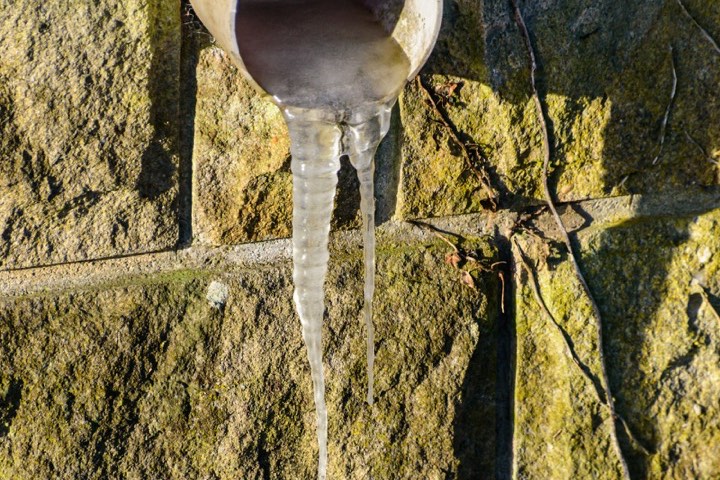
- Burst or split pipe. Common after a cold snap, when a frozen section thaws and starts spraying. See frozen and burst pipe repair.
- Sewage backup. Wastewater coming up through a basement floor drain, shower or toilet means the main line is blocked or broken. It is a contamination problem as well as a water problem.
- Leaking water heater tank. Water from the tank body or bottom, not a fitting, means the tank has failed. The fix is water heater replacement.
- Water you cannot shut off. A main valve that will not close or breaks when turned.
- No water at all to the house, after you have confirmed with neighbors that it is not a city outage.
Problems that can usually wait until morning
A dripping faucet, one slow drain, a toilet that runs but does not overflow, or a small drip from a fitting that you can catch in a bucket with the local shutoff closed. Call anyway if you are unsure. We will tell you honestly whether it needs a night visit.
What an Emergency Plumbing Call Involves
An emergency visit has two goals: make the house safe and dry, then fix the cause so it does not happen again tomorrow.
- Isolate the problem. The plumber confirms the water is off, finds the failed pipe, valve or fitting, and checks whether other lines are affected. With a freeze, one split often means another frozen spot nearby.
- Open only what is needed. When a leak is inside a wall or ceiling, the plumber opens the smallest area that allows a proper repair.
- Repair the failure. A burst section of copper or PEX gets cut out and replaced. A backed-up main gets cleared with a cable machine. A failed water heater gets drained and disconnected, and replaced when you are ready.
- Restore water and test. The main is reopened slowly, the repair is checked under full pressure, and drains are run to confirm flow.
- Tell you what comes next. If the emergency exposed a bigger issue, such as a sewer line that needs a camera inspection or more galvanized pipe ready to fail, you hear about it with a recommendation, not pressure.
What Affects the Cost of Emergency Plumbing
Emergency plumbing cost depends on the time of the call, what failed, and how much has to be opened up to reach it. A cleared main line at 2 a.m. and a burst pipe inside a finished ceiling are very different jobs.
- Time of day. Overnight, weekend and holiday calls are scheduled differently from planned weekday work.
- Location of the failure. Exposed basement pipe is quick to reach. Pipe inside a finished wall, under a tub or above a ceiling takes more time.
- Temporary versus permanent repair. Sometimes the right move at night is to stop the water and make the system usable, then return to finish the permanent repair in daylight with the right parts.
- Parts on hand. Common pipe and fittings are carried on the truck. A specific water heater may need to be sourced.
Before work starts, the plumber tells you what was found and what the repair involves so you can decide. B&D Plumbing handles routine work as well, so if the emergency can safely wait, we will say so and book it as regular plumbing service in Boulder instead.
Is It Your Plumbing or the City's Line? How to Tell in Boulder
If water is bubbling up in the street, the parkway or around the curb stop rather than inside your house, the problem may be on the City of Boulder's side. Boulder's utilities department handles water main breaks and the public sewer main. Everything from the connection at the city main into your house is the owner's responsibility for the sewer line, and the plumbing inside your walls is always yours.
This matters at night because the first call changes. A geyser in the street goes to the city. A flooded basement, a burst pipe inside the house or sewage coming up your floor drain comes to us. If neighbors are reporting sewage backups at the same time, mention it when you call. It suggests a problem in the public main rather than your service line.
Homes along creek corridors in North Boulder and other low-lying parts of town are more exposed to basement water during heavy rain. A backwater valve on the sewer line can keep a city-side surcharge from coming up through the floor drain. We can talk about whether one makes sense for your house once the emergency is over.
Emergency Plumbing Questions
How fast can an emergency plumber get to my house in Boulder?
It depends on the time of day, weather and how many emergencies are in progress. During a hard freeze, many calls come in at once. When you call, we give you a realistic arrival window and tell you how to limit damage until the plumber gets there.
Where is the main water shutoff in a Boulder house?
Usually in the basement or crawl space where the water service enters through the foundation wall, often near the water meter or water heater. In homes without a basement, check a utility closet, the garage or under the kitchen sink. Find it and test it before you ever need it.
Should I call a plumber or the city for a sewage backup?
It depends on where the backup is. Call a plumber if the backup is only in your home. In Boulder, the property owner is responsible for the sewer service line up to and including the connection to the city main. If several neighbors have backups at once, contact the City of Boulder as well, since the public main may be involved.
Can I use chemical drain cleaner during a backup?
No. Chemical cleaners rarely clear a main line blockage, and they leave caustic water sitting in the pipe and on your floor. That water is a hazard for you and for the plumber who has to open the line.
Do you charge to answer questions over the phone?
No. Call and describe what is happening. If the problem can be handled by closing a valve and waiting until morning, we will tell you.
Water Where It Should Not Be? Call Now.
B&D Plumbing answers 24/7 at (720) 571-0891. We will help you shut the water off over the phone and get a licensed plumber to your Boulder home.
Licensed plumber · Answered 24/7 · 2525 Frontier Ave, Boulder