
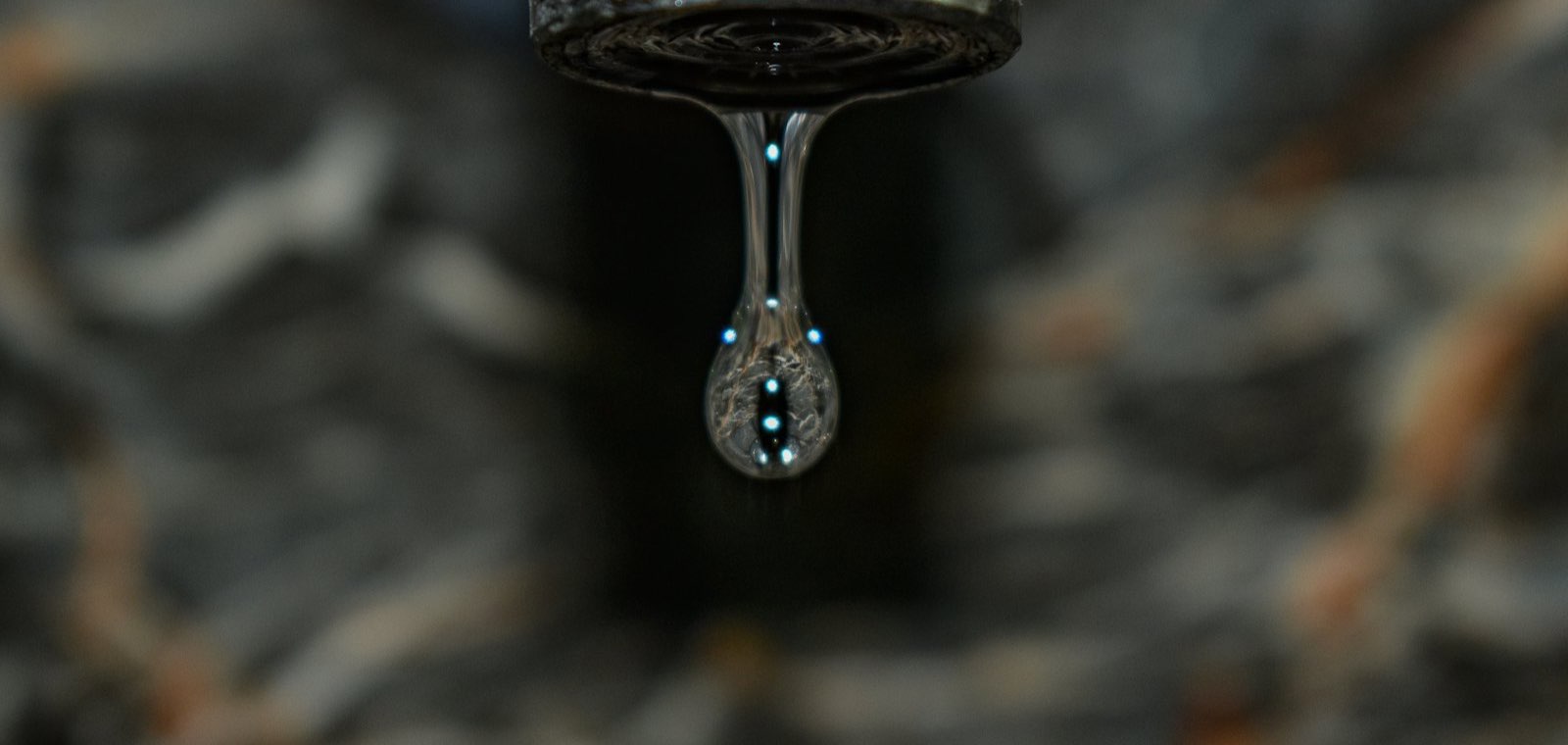
Leak detection · Boulder, CO
Water Leak Detection in Boulder, CO
A hidden leak shows up as a water bill you cannot explain, a meter that moves with every fixture off, a stain or soft spot in a ceiling or wall, or the sound of running water when nothing is on. B&D Plumbing traces the leak to its source with testing and inspection, so only the wall or floor that needs opening gets opened.
How to Check for a Water Leak Yourself
The quickest test is the water meter: turn off every fixture and water-using appliance, then watch the meter. If the dial or leak indicator moves, water is going somewhere.
- Turn off all faucets, the dishwasher, washing machine, ice maker and irrigation system.
- Find the meter and look at the small leak indicator (often a triangle or star) or note the reading.
- Wait 15 to 30 minutes without using water and check again.
- If it moved, close the shutoff valve where water enters the house and check again. If the meter still moves, the leak is in the buried service line between the meter and the house. If it stops, the leak is inside the house.
- Put a few drops of food coloring in each toilet tank. Color in the bowl after 15 minutes without flushing means a leaking flapper, the most common silent leak.
What Are the Signs of a Hidden Water Leak?
The most common signs of a hidden water leak are ceiling stains, soft or swollen drywall, a musty smell, warm floor spots and a whole-house drop in water pressure. Each sign narrows down where to look:
- Brown rings or bubbling paint on a ceiling below a bathroom
- Soft or swollen drywall, baseboards that are pulling away or cupped hardwood floors
- A musty smell or mold in a closet, cabinet or behind furniture against a wall
- Warm spots on a floor (a hot water line leaking under a slab)
- Water pressure that has dropped across the whole house
- The sound of running or hissing water with everything off
- Loose tiles or failing grout around a shower, which often means water is getting behind the tile
Why a Hidden Leak Costs More on a Boulder Water Bill
The City of Boulder bills water using a budget-based rate structure, so water used beyond your household's monthly budget is billed at higher tier rates. A leak that runs all day, every day, uses more water than you think. A toilet flapper that never seals or a pinhole in a supply line can push usage past your budget and into the higher-priced blocks, month after month, until it is fixed.
That is why a sudden jump on the bill is worth chasing even when you see no water. Compare the same month last year. If outdoor watering does not explain the difference, turn off every fixture and watch the water meter for 15 minutes. Leaks on the buried line between the meter and the house can surface as a soggy spot in the yard. In expansive clay, they may stay hidden while softening the soil around the foundation.
Homes built in the 1970s through the mid-1990s, common in Gunbarrel, are the age where polybutylene supply pipe sometimes turns up. It is a gray flexible plastic, and the industry stopped using it because of failures at fittings. Pipe that keeps leaking in new places points to repiping rather than another patch. Older central Boulder homes can have galvanized pipe that develops pinhole leaks from inside corrosion.
How Professional Leak Detection Works
Finding a leak means narrowing it down step by step before opening anything:
- Confirm the leak. Meter testing with fixtures off, plus a pressure gauge on a hose bib to see whether system pressure drops when the main is closed.
- Separate the system. Closing individual valves, such as the water heater cold inlet, fixture stops and branch valves, shows which part of the plumbing the leak is on. Hot side and cold side get tested separately.
- Check the usual suspects. Toilet flappers and fill valves, water heater relief valves, ice maker and washer supply lines, and irrigation backflow assemblies.
- Locate inside walls and floors. Moisture readings, thermal patterns where hot water is involved, acoustic listening along pipe routes, and the stain pattern combine to pinpoint the spot.
- Open and repair. The plumber opens the smallest practical access point, repairs or replaces the failed pipe or fitting, and pressure-tests the repair before closing up.
Drain leaks behave differently. They only leak when the fixture is used. A stain that grows after showers points to the shower drain, the tub overflow gasket or failed grout and tile, not the supply line.
What Affects the Cost of Leak Detection and Repair
The cost depends on how hard the leak is to find, where it is, and what has to be opened to reach it.
- Visible versus hidden: a leaking flapper or supply line under a sink is quick. A pinhole inside a finished wall takes testing to locate.
- Location: drywall is simpler to open and patch than tile, a finished ceiling or a concrete slab.
- Pipe type and condition: one failed copper joint is a spot repair. Galvanized or polybutylene that is failing in several places raises the question of replacing a larger section.
- Buried service line: leaks between the meter and the house can require excavation. See water line repair.
- Damage already done: drywall, flooring and drying are separate from the plumbing repair. Your insurer may be involved.
When a Leak Becomes an Emergency
A leak is an emergency when water is actively dripping through a ceiling, running down a wall, pooling on the floor, or near electrical wiring or fixtures. Close the main water valve, turn off power to the affected area if it is safe, and call our 24/7 emergency plumbing line. A slow leak found on the meter test can be scheduled, but do not let it go for weeks. Hidden moisture feeds mold and rots framing.
After the Leak Is Fixed
Run the meter test again a day later to confirm nothing else is leaking. Keep wet areas open and ventilated until they are dry before closing the wall. Replace rubber washing machine hoses with braided stainless, and check the shutoff valves under sinks and toilets. Old multi-turn stops often leak once disturbed. For any other repairs, B&D Plumbing is your licensed plumber in Boulder, CO.
Leak Detection Questions
How do I know if I have a water leak in my Boulder home?
Turn off every fixture and appliance, then watch the water meter for 15 to 30 minutes. Movement means a leak. Closing the house shutoff tells you whether it is inside the house or in the buried line from the meter.
What is the most common hidden leak?
A leaking toilet flapper. Water trickles from the tank into the bowl constantly, often without any sound. The food coloring test finds it in 15 minutes.
Can you find a leak without tearing out walls?
Yes, in most cases the search narrows to a small area. Valve isolation, moisture readings and acoustic and thermal checks narrow the leak down before any drywall is cut, so the opening is small and in the right place.
Will a leak under my basement slab damage my foundation?
Yes, it can. Water under a slab softens the soil, and in Boulder's expansive clay, wet soil swells. That can contribute to slab movement and cracking. A leak under a slab should be found and repaired promptly.
Does a leak affect my Boulder water bill even if it is small?
Yes. Boulder uses budget-based water rates, so usage beyond your monthly budget is billed at higher tiers. A small leak running 24 hours a day adds up.
Water Meter Moving With Everything Off?
Call B&D Plumbing at (720) 571-0891. We find the leak, repair it, and confirm the system holds pressure before we leave.
Licensed plumber · Answered 24/7 · 2525 Frontier Ave, Boulder