
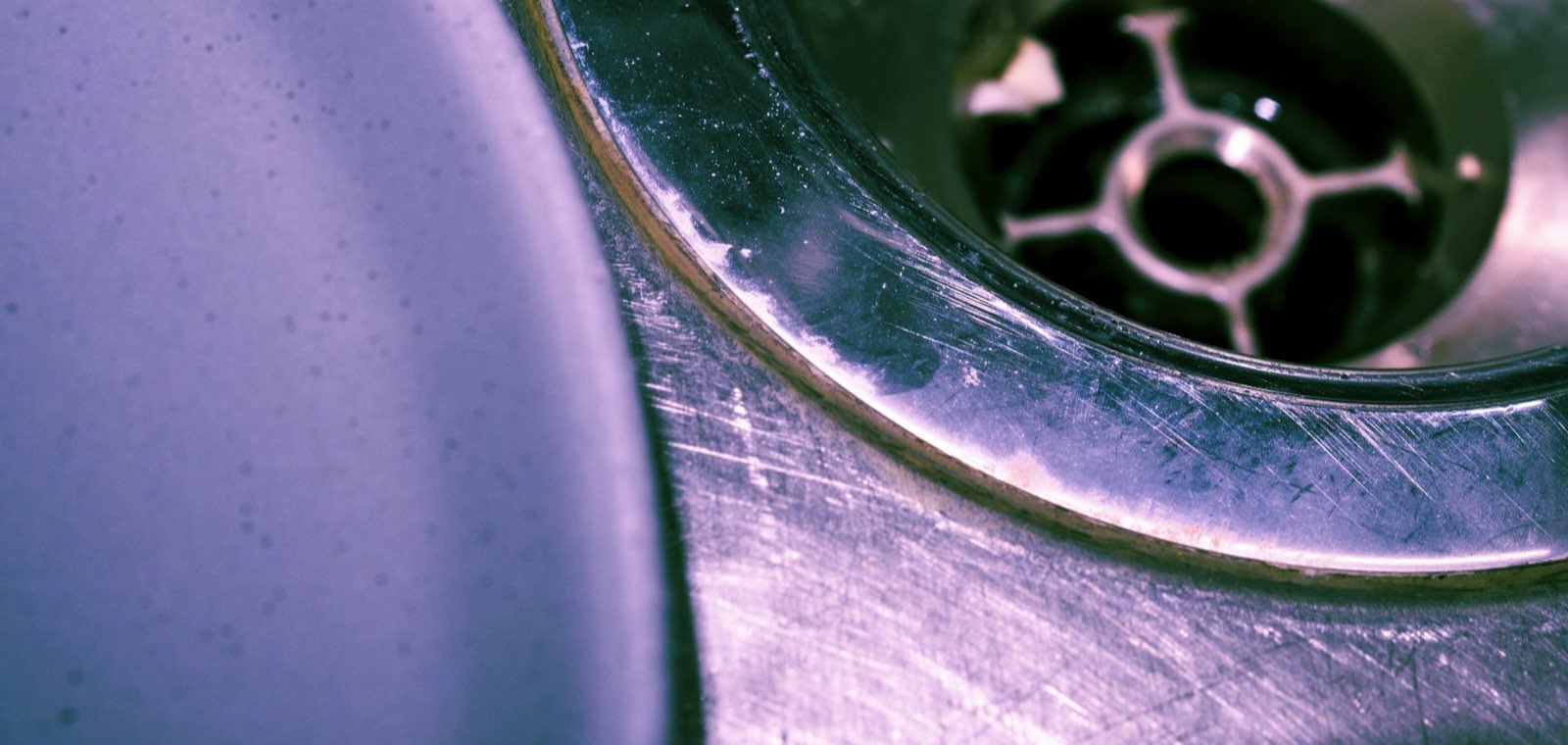
Drain cleaning · Boulder, CO
Drain Cleaning in Boulder, CO
A single slow fixture usually means a clog in that fixture's trap or branch line. Several drains backing up at once, especially at the basement floor drain, means the main line is blocked. B&D Plumbing clears both kinds of clog in Boulder homes, finds out why the clog formed, and tells you if the line needs more than cleaning.
Where Is the Clog? Reading the Symptoms
Where the water backs up tells you where the clog is. Check these before you call. It helps the plumber bring the right equipment.
- One sink drains slowly: hair, soap, grease or food in the trap or the short branch behind the wall. Usually a quick fix.
- Tub and bathroom sink both slow: a clog in the bathroom branch line where they join.
- Toilet gurgles when the tub drains, or the tub fills when the toilet flushes: a blockage downstream of both, often in the main.
- Water comes up the basement floor drain when the washer pumps out or a toilet flushes: main line blockage. Stop running water and call.
- Every drain in the house is slow: main line or sewer service line, or a vent problem if drains gurgle but eventually flow.
- Sewer smell with slow drains: the line is partly blocked and gases are pushing through traps.
What Causes Clogged Drains in Boulder Homes?
Kitchen grease, hair and soap, wipes, and tree roots cause most clogged drains in Boulder homes. Pipe condition is the other half of the story.
- Kitchen grease and food: grease cools and coats the inside of the line, catching everything that follows. Disposals do not prevent this.
- Hair and soap: the usual bathroom clog, built up in the tub and sink traps.
- "Flushable" wipes, paper towels and feminine products: they do not break down like toilet paper and snag at joints.
- Tree roots: roots find the moisture at clay pipe joints and cracked cast iron in the yard and grow into the line.
- Rough or damaged pipe: corroded cast iron, galvanized drain pipe and offset joints catch debris that would pass through smooth pipe.
How Drain Cleaning Is Done
The method depends on where the clog is and what it is made of.
Fixture and branch drains
For sink, tub and shower clogs, the plumber pulls the trap or stopper and runs a small hand or drum cable through the branch line. Hair clogs come out on the cable head. A grease clog gets broken up and flushed with hot water.
Main line and sewer clogs
For a main line clog, the plumber runs a larger sectional or drum machine through the main cleanout, usually a capped fitting in the basement or outside near the foundation. Cutting heads sized to the pipe break through the blockage and scrape roots from the pipe wall. Once water drains freely, the plumber runs water through the line from upstairs fixtures to confirm full flow.
When the camera comes out
If the cable brings back roots, if the line clogged again within months, or if the cable stops at the same spot every time, the next step is a sewer camera inspection. The camera shows whether the pipe is cracked, offset, sagging or crushed. That turns a recurring drain cleaning bill into a clear decision about sewer line repair.
Cleanup and checks
Drain cleaning is messy work. Drop cloths go down, debris goes in a bucket, and the cleanout or trap gets resealed and checked for leaks before the plumber leaves.
Why Older Boulder Neighborhoods See More Root and Main Line Clogs
Homes built before the 1970s in Boulder often still drain into original clay or cast iron sewer lines, and mature trees in those neighborhoods send roots into the pipe joints. Clay sewer pipe comes in short sections with a joint every few feet, and each joint is a place for roots to enter. Cast iron rusts from the inside, leaving a rough scale that catches paper.
Boulder's expansive clay soil makes this worse. The Colorado Geological Survey lists broken pipes and sewer lines among the damage swelling soils cause along the Front Range. As the soil swells and shrinks, old joints shift out of line. A shifted joint forms a lip that catches waste, so the same clog keeps coming back.
That is the typical pattern in the turn-of-the-century homes of Mapleton Hill and the 1950s houses of Martin Acres. If your main line needs cleaning every year or two, a camera inspection costs less over time than repeated rooting.
What Affects the Cost of Drain Cleaning
Drain cleaning cost depends mainly on which line is blocked, how easy it is to reach, and what is causing the clog.
- Fixture versus main line. A sink trap is a smaller job than a main line cleared through a cleanout with a large machine.
- Cleanout access. A clear, accessible cleanout makes the job straightforward. If there is no cleanout, or it is buried or seized, the plumber may need to go through a toilet flange or roof vent, or install a cleanout.
- Type of blockage. Heavy root growth takes more passes with cutting heads than a paper clog.
- Camera inspection when the cause is not clear or clogs keep returning.
- After-hours timing for a sewage backup that cannot wait until morning.
When a Clogged Drain Needs Emergency Service
A clog is an emergency when sewage is coming up into the house or you cannot use any toilet. Wastewater carries bacteria, soaks into flooring and drywall, and keeps rising every time someone upstairs uses water. Stop using all water, keep people and pets away from the backup, and call our 24/7 emergency plumber line. A single slow sink or tub can wait for a scheduled visit.
Keeping Drains Clear After Cleaning
Wipe grease into the trash instead of the sink. Use hair catchers in showers and tubs. Flush only toilet paper. If roots were cut from the main, they will grow back. Ask about a camera inspection to see whether the pipe itself needs attention. For other work around the house, B&D Plumbing is a local Boulder plumber that handles the full range of residential repairs.
Drain Cleaning Questions
Should I use chemical drain cleaner before calling?
No. Chemical cleaners rarely clear a full blockage. They can damage old pipe and rubber seals, and they leave caustic water in the line for the plumber to deal with. A plunger or a hand auger is safer for a simple sink clog.
Where is the main sewer cleanout in my house?
In many Boulder homes, the main cleanout is a capped fitting on the large drain pipe in the basement, near where it exits through the wall or floor. Some homes have an outdoor cleanout near the foundation. Older homes sometimes have none, or one that has been covered over.
How often should a main sewer line be cleaned?
A healthy line should not need regular cleaning. If yours needs rooting every year or two, there is usually a defect in the pipe, such as a joint gap or crack that lets roots in. A camera inspection will show it.
Is hydro jetting better than a cable machine?
It depends on the pipe. Jetting scours grease and scale from the pipe wall and works well on sound pipe. A cable machine cuts through roots and works through most blockages. On fragile old clay or badly corroded cast iron, the plumber picks the method that will not make the damage worse.
Why do my drains gurgle?
Gurgling means air is being pulled through a trap because water cannot flow freely. Causes include a partial clog downstream or a blocked plumbing vent on the roof.
Drain Backed Up? Call B&D Plumbing.
Call (720) 571-0891 any time. We clear the clog, find out why it formed, and tell you whether the line needs more than cleaning.
Licensed plumber · Answered 24/7 · 2525 Frontier Ave, Boulder